
Room Additions
Room additions in Maryland with full permit, design, and construction services.
Local Room Additions Expertise
In Maryland, room additions expand your home's footprint and living space. Whether you're adding a bedroom, family room, or sunroom, we handle every step from design through final inspection. Maryland building codes and permit requirements demand precision—that's where our 16 years of construction engineering experience matter.
How We Work
Room additions in Maryland require detailed planning, proper permitting, and careful execution. We break the process into clear phases so you always know what's happening next.
Design & Zoning Check
We assess your space, confirm zoning compliance, and create detailed architectural drawings. Local setback rules and property lines matter here.
Permit & Code Review
We submit all applications to your county permitting office and coordinate reviews. Maryland's International Building Code compliance is built in.
Foundation & Framing
We set footings, pour foundations, and frame walls. Inspectors verify each stage before we move forward.
MEP Systems & Finishes
Licensed electricians and plumbers install systems. We handle drywall, flooring, and all interior finishes with attention to detail.
Final Inspection & Approval
County inspectors verify the finished space. You receive an Occupancy Approval to use your new addition.
You'll always know what's happening next—and when.
Our Services
We build room additions tailored to your needs and Maryland regulations. Here's what we offer.
Bedroom Additions
Adding a bedroom expands your home's value and livability. Maryland bedroom codes require adequate ceiling height, emergency egress windows, and electrical outlets. We frame, insulate, and finish to code.
Common in suburban Montgomery County and Anne Arundel County where single-story homes benefit from upper-level bedrooms. We handle roofing integration and ensure proper ventilation for Maryland's humid climate.
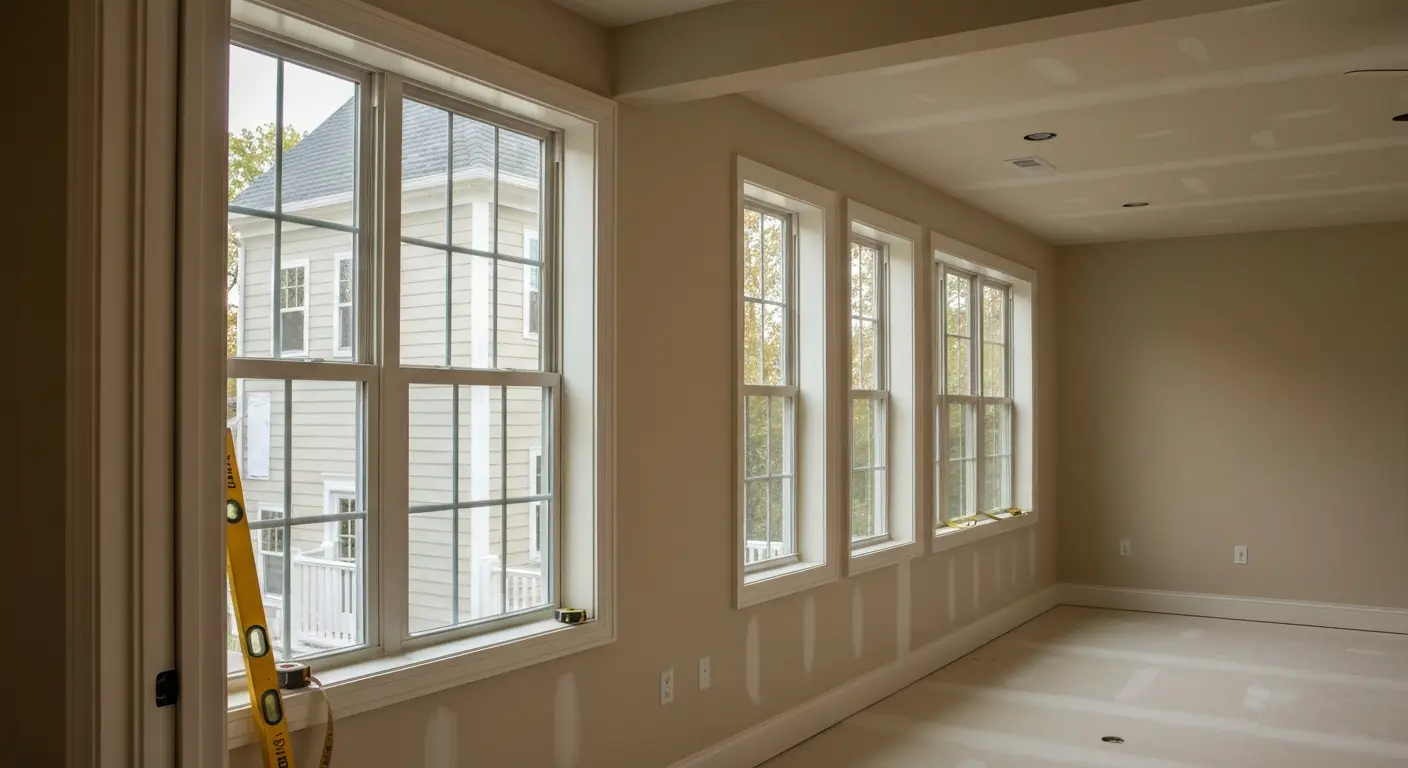
Master bedroom addition in Maryland showing proper window placement and code compliance.
Family Room & Living Space Additions
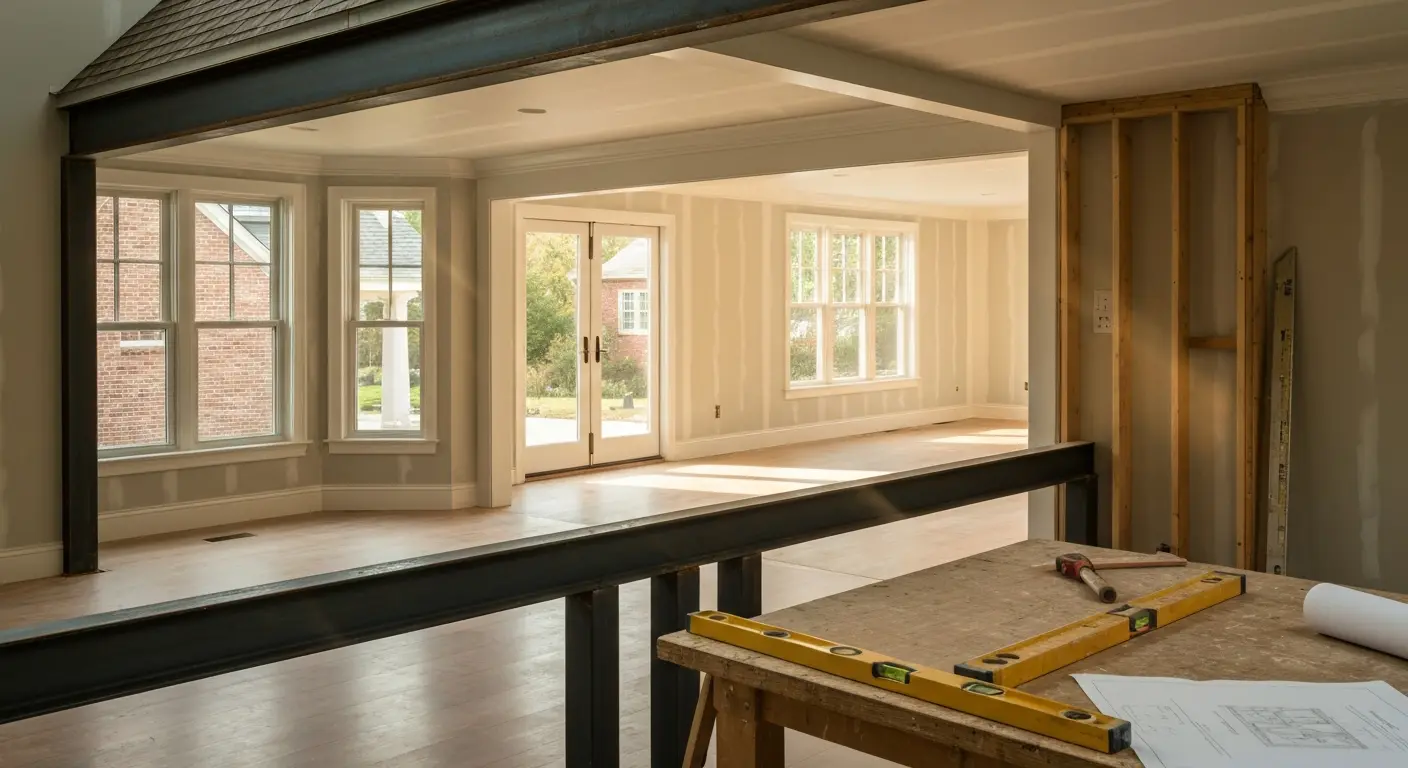
Open-concept family room addition in Maryland with code-compliant structural support.
Family rooms and living spaces need proper support posts, roof load calculations, and HVAC extension. We design open-concept layouts with adequate beam sizing for Maryland building codes.
Popular additions across Maryland's residential neighborhoods. We coordinate with licensed HVAC contractors to extend your heating and cooling into new space.
Sunrooms & Three-Season Spaces
Sunrooms and three-season rooms require proper insulation, high-performance windows, and foundation work. Maryland's energy code (IECC) mandates R-value requirements for walls and ceilings.
We size HVAC loads and install moisture barriers to handle Maryland's humid summers. Electrical and plumbing rough-ins are completed before drywall goes up.
Sunroom additions in Maryland must follow the same permit and inspection process as other room additions. Plan for 6–8 weeks from permit approval to final occupancy approval.
Why It Matters
Proper room additions increase your home's value and livability. Maryland building codes exist to protect safety and resale value.
Code Compliance Protects Your Investment
Maryland requires each jurisdiction to use the International Building Code (IBC), International Residential Code (IRC), and International Energy Conservation Code (IECC). Non-compliant additions void homeowner insurance and create costly repair bills later.
We handle all code review meetings with county inspectors. Final inspections verify work meets approved plans and building codes, then you receive an Occupancy Approval to legally use the new addition.
Faster Approval Through Proper Coordination
Most Maryland jurisdictions review residential building permits within about 17 calendar days. Incomplete or incorrect plans delay this timeline. We prepare thorough documentation on the first submission.
Our experience with Maryland's local permitting offices—from Montgomery County to Anne Arundel—means we know what each county reviews most carefully. You avoid rework and delays.
Serving Maryland and Surrounding Areas
We provide room additions across Maryland, including Montgomery County, Anne Arundel County, Howard County, and beyond.
Local Expertise in Your County
Each Maryland county and municipality has distinct zoning, setback rules, and inspection priorities. We work in your specific jurisdiction regularly and understand local standards.
Whether your addition sits in a dense suburban neighborhood or a rural township, we navigate local requirements. Maryland requires contractors to have a Home Improvement Commission (MHIC) license to obtain permits—we hold this license and handle all compliance.
Ready to Expand?
Start with a consultation to discuss your vision, site constraints, and budget. We'll walk you through the timeline and next steps.
Call us to schedule a site visit or request a consultation.
We'll review your space, answer questions, and outline the addition process for your Maryland home.
Frequently Asked Questions
Common questions about room additions in Maryland.
Do I need a permit for a room addition in Maryland?
Yes. A permit is required if you extend the area, height, or overall footprint of an existing dwelling. All room additions need permits—no exceptions.
How long does the permit process take?
Permit review typically takes about 17 calendar days for adequately prepared applications, though complex projects or requests for additional information can extend this timeline to several weeks. After approval, construction and inspections add 6–12 weeks depending on scope.
What permits do I need beyond the building permit?
Most room additions require a building permit for structural work, plus electrical, plumbing, and mechanical (HVAC) permits if those systems are involved. Your contractor coordinates all of these.
What building code standards apply to room additions?
Building envelope requirements in Maryland apply to all additions, alterations, and replacements. Bedroom additions require proper egress windows, ceiling height, and electrical outlets per the IRC. Energy code (IECC) mandates insulation R-values for walls and roofs.
Can the homeowner obtain the permit themselves?
Homeowners may apply for a building permit in their own name, but if a contractor is to perform the work, the contractor should be listed on the permit as the responsible party. We typically handle all permit paperwork on your behalf.
What happens after construction is done?
You schedule a final inspection with the county. The inspector verifies all work meets approved plans and building codes, then issues an Occupancy Approval so you can legally use the new space.
DISCOVER WHAT OUR CUSTOMERS HAVE TO SAY ABOUT US
REVIEWS

proudly serving these areas
READY TO take the next step?
get a free quote TODAY!
COMPANY

QUICK LINKS
our services
service areas
operating HOURS
Mon: -
Tue: -
Wed: -
Thu: -
Fri: -
Sat: -
Sun: -