Local General Contractor Expertise
Across Capitol Hill rowhouses, Georgetown townhomes, and Dupont Circle Victorians, our general contractor and kitchen remodeler in Washington, DC, brings 16 years of construction expertise to homes with complex architectural details and strict historic preservation rules.
We navigate DC's multi-agency permitting process, preserve original character while modernizing kitchens, and manage the shared-wall coordination rowhouse projects demand.
From discovery through final inspection, we keep you informed every step.
We assess your home's existing layout, structural condition, and architectural style—especially in historic areas where character details matter.
We file all required permits, coordinate HPO review (2–4 weeks in historic districts), and prepare MEP drawings for DC's strict permitting standards.
Skilled crews execute the work with attention to detail. For rowhouses, we coordinate shared-wall protocols and neighbor notifications required by DC code.
Scheduled inspections confirm code compliance at each phase. We coordinate final DOB approvals and document completion for your records.
You'll always know what's happening next—and when.
From Dupont Circle Victorians to Bloomingdale rowhouses, we transform outdated kitchens into modern, functional spaces. We handle plumbing relocation, electrical upgrades, and careful preservation of original tile work or crown molding when it's part of the home's character.
MEP drawings and DC water-line assessments are part of our standard process—no surprises on site.

Full kitchen renovation with period-appropriate finishes in Capitol Hill
Comprehensive rehabs for Federal-style homes in Georgetown or contemporary renovations in Mount Pleasant. We manage structural assessment, foundation reinforcement, systems upgrade, and finishes—all within DC's zoning and historic guidelines.
Multi-agency coordination and timely inspection scheduling are built into our project management.

Multi-level renovation preserving original crown molding and window frames in Shaw
DC zoning supports basement apartments and accessory dwelling units. We handle egress windows, sprinkler design (when required), and full MEP coordination so your basement space meets code and adds real value.
From Petworth to Takoma Park, we've successfully converted basements into separate living spaces.

Basement egress window and sprinkler system installation for ADU conversion
Rowhouses and townhomes often need more living space. We design and build rear additions that respect setback rules, party wall protocols, and neighbor agreements. Structural engineers and zoning specialists are part of our team from day one.
HPO approval timelines are factored into every addition project.

Two-story rear addition with approved setback compliance in Logan Circle
Maximize existing square footage by converting unused attics or opening up cramped first floors. Structural walls must be carefully assessed, and heading design must respect ceiling heights and roof pitch.
We pair modern open-plan living with the architectural integrity DC historic areas require.

Attic bedroom with new dormer and skylight maintaining Federal-style proportions
Over 25 historic districts in DC require HPO approval before construction starts. We know which neighborhoods need Design Review and how to preserve character while upgrading systems.
DC's rowhouse stock demands special coordination. Party wall agreements, neighbor notification, and soundproofing are non-negotiable. We manage these relationships so work stays on schedule.
DC Water, WMATA, DOEE, and Zoning review add layers to permitting. We coordinate submissions and timeline expectations so no phase surprises you.
DC mandates MEP drawings for interior renovations—even kitchens. We assess existing water line capacity and plumbing systems early to prevent costly mid-project changes.
16+ years managing DC construction engineering across Capitol Hill, Georgetown, Dupont Circle, Kalorama, Mount Pleasant, Shaw, and surrounding neighborhoods. We understand DC's neighborhoods, their architectural styles, and their regulations.
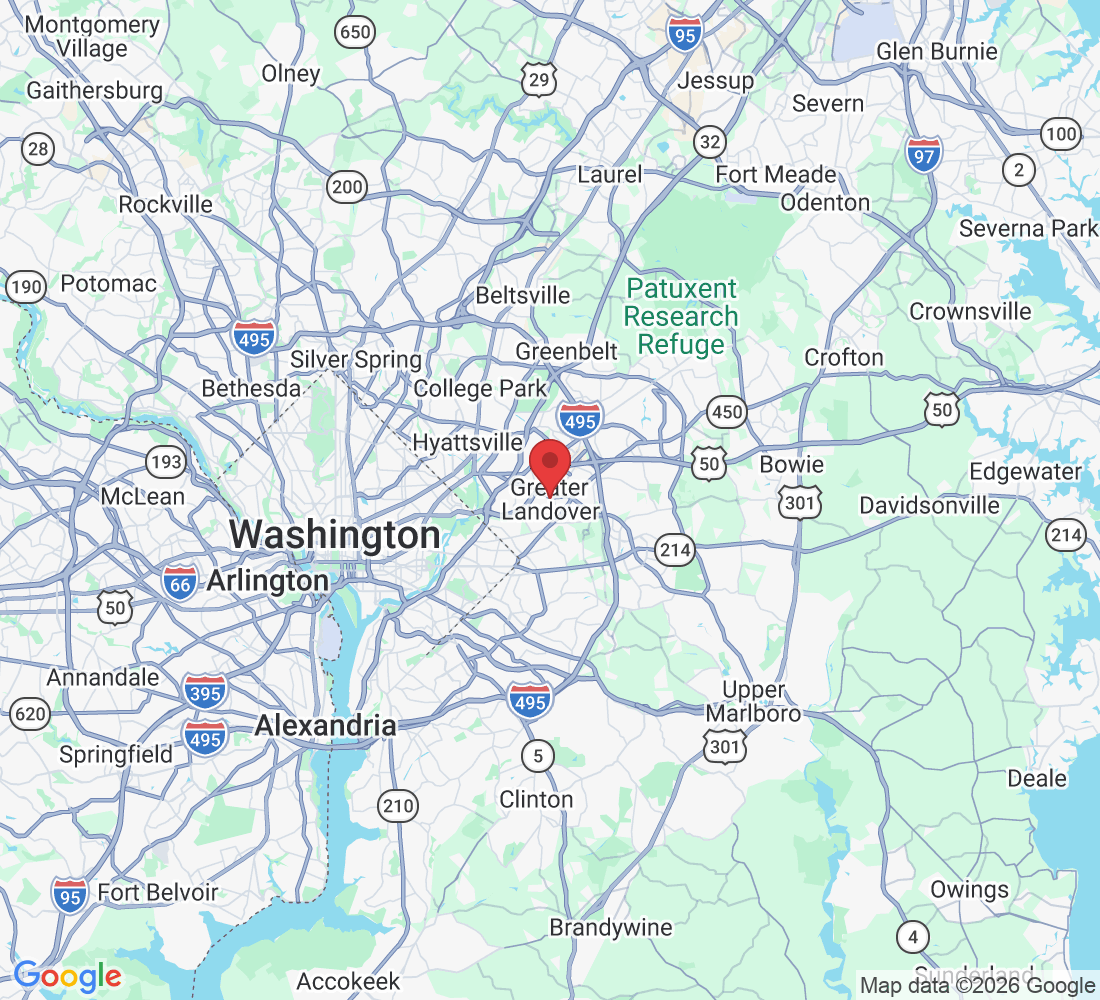
We work throughout Washington, DC, including Capitol Hill, Georgetown, Dupont Circle, Bloomingdale, Shaw, Logan Circle, Kalorama, Mount Pleasant, Adams Morgan, Petworth, Takoma Park, and Chevy Chase. Each neighborhood has distinct architectural character and permitting requirements—we respect both.
For larger projects in Maryland (Bethesda, Alexandria) or Virginia suburbs, we maintain licensed crews and partnerships. Permitting timelines differ by jurisdiction, but our construction methodology—and commitment to transparency—remains the same.
Ready to discuss your kitchen remodel or whole-home renovation? Call to share your timeline and budget, or schedule a site visit where we'll assess your space and neighborhood requirements.
Most kitchen remodels in historic districts require HPO approval, which adds 2–4 weeks. We assess your specific scope early to determine if concept approval is needed and prepare all documentation.
MEP stands for Mechanical, Electrical, and Plumbing. DC mandates MEP drawings for interior renovations to ensure systems are properly sized and code-compliant. We work with licensed engineers and include this cost in the permitting estimate.
Permitting (1–3 months) plus construction (4–8 weeks depending on scope). In historic districts, add HPO review time. We provide a detailed schedule at the start so you know when crews arrive and when final inspections happen.
A party wall agreement protects both your home and your neighbor's during work on shared walls. If your renovation involves structural work or significant excavation near a shared wall, DC requires neighbor notification and a formal agreement. We handle the coordination.
Yes. DC zoning allows accessory dwelling units in residential zones. Egress windows, sprinkler design (if required), and full MEP coordination are essential. We assess your zoning first, then design accordingly.
We assess water line capacity early using DC Water forms. If the line is under 1 inch, we may need to upsize it—a cost we factor in during design. Identifying this early prevents expensive surprises mid-construction.
DISCOVER WHAT OUR CUSTOMERS HAVE TO SAY ABOUT US